
INDEX
ABOUT
FAQ
GLOSSARY
MBTI TYPINGS
MBTI RELATIONS
DISCORD
PHOTOS
STORIES
GENERAL
DIFFERENCES
TYPING
FUNCTIONS
TABLES
LISTS
WORKS
VARIOUS
NAMES
MORE
Types #12X ← ✸ → Types #14X
Anonymous said: do you know how to get rid of the mindset 'sensor bad' and 'intuitive good'? I think I really want to type myself but theres always a 'mental block' that makes me want to be an intuitive and not a sensor...do you think it's because I'm not ready to know my type?
This was a very good question. Really really good. I wrote this post mostly because of it, so I guess it's been already answered, at least in part :)
Many people have this stupid equivalence in their minds: "Intelligent = Intuitive". Sometimes it's just "Weird/Interesting = Intuitive". They are not aware that many/most of the things they consider "weirdness" or "intelligence" are in no way related to conscious intuition (just take a look at the real types of some famous people, how many of the commonly regarded as "intelligent" and/or "interesting" are actually Ss). They don't know what intuition really is.
How do you break the misconception? Well, you have to understand the real meaning of the words (dichotomies, types and functions), and use them correctly. And you have to do it without expectation of agreement from others (that's basically what I'm doing here :P). You have to do it by yourself, because you recognize the seriousness of the problem. You have to do it first for your own sake (to have an accurate dictionary in your mind) and then for everybody else, to bring back a little bit of meaning to language and communication (which are both utterly destroyed) (some of us miss them).
Like most of the other misconceptions [related to typology], this one is so entrenched and widespread that you have to forget what you know, and start from scratch. You have to observe people in various situations, including those which are often ignored because they are considered "too mundane", "boring" or laborious, and notice the effort and the value of sensation types, especially regarding those activities that Ns can't do so carefully and attentively. Look how they take care of people, for example, or how they build, operate and repair things. If you understand the goodness in that, and the intelligence that it requires (because so many people just can't do it), you'll get how you can't make a hierarchy out of the contributions of Ss and Ns. Both can be amazing and/or incredibly important. They are just very different.
What follows is only a general view of the X4↔G4 interrelation (= the inferior function and its ghostly counterpart). It applies to different people in different ways and degrees.
The basic perspective is that G4 and X4 are disconnected and mostly unrelated ("off"). With X2/G2 and X3/G3 there wasn't really a gap between X (proper) and G (ghost), in fact you could see them as two parts of a more or less pronounced overlap or superposition (that the person can notice and try to disentangle, of course). There's a slight resemblance to G3→X3 (which might be part of the reason behind J↔P mistypes), but if you really get it you see that X4//G4 is very different because the functions in this case are separated: G4 is more conscious than G3, X4 is more unconscious than X3, and there are other functions between them. In the tertiary's case there is a sort of simultaneity between ghost and proper, things pass from one to the other quite easily and quickly, but now with the inferior the link is broken. That's why you can say there are things in common across the X/G interrelations, yes, but not many, because in the end each one is unique.
As a general summary, the proper—ghost distance is inversely proportional to clarity, confidence, immediacy and skill. The more a proper function (X) and its corresponding ghost (G) are detached (= the more the X is unconscious), the more those decrease, and the more the link and transference between X and G can be interrupted or subjected to emotional, fantastical, devotional, religious, ritualistic, "magical", "artistic" or just strange charges or interferences. This is where the idea/illusion of time appears in our minds, because it makes the person more "aware" of the E/I disparity (that's what time is). There are helpful and interesting things that can be found and learned from all that.
This is important, because just like everything regarding function differentiation, this disconnection is not a problem in itself: it can bring "good" and "bad" things. It can mean the person must face certain obstacles, right, but it can also help him/her avoid others, and reveal treasures (that other types can't see). Ghost functions are not something to ignore completely, they can give you valuable information, although it probably needs some kind of deciphering (it's great how the "ghost" designation works perfectly). This is of course what Jung did with dreams, which were a ghost function for him: gSi3.
I'll talk about some of the potential X4//G4 effects and manifestations. Remember that you have to be very careful with all this: it's not about everybody with a given type, all the time. Apart from the (very likely) mistype possibility, I might mention things that you haven't experienced or heard about, some people don't go through any of this, and a particular individual might have already passed through a situation described below and improved him/herself. It's all extremely difficult to explain, so try not to get caught in the details, look for the general idea.
FROM X4 TO G4
One of the peculiarities of the unconscious is that things get stuck there, in X4 (the inferior function), so one of the main and many possible aspects of G4 is a bit like a conscious delayed [random] reflection of X4, a kind of "cumulative" echo that doesn't reach consciousness uniformly at all, and when/if it does it's usually in some aggregated, combined, [con]fused or amalgamated way.
G4 can become obsolete because it doesn't receive new/updated information, and when it does it's very often all at once, which causes a disruption or shock for the person and/or the environment. Many classic things of the types originate here: the abrupt criticisms and theatricality of EFJs (Ti4→gTe4), the "[self-]reinvention" and the phantasmagoric artistry of some ENPs (Si4→gSe4), the hypersensibility of INPs (Se4→gSi4), etc.
Being the dominant in the unconscious, X4 is easily and quickly forgotten, and what's left of it in the mind of the person (if anything) takes the form of a ghostly memory: G4, which is false but (strangely) more conscious than its true origin. Being a ghost, G4 is extremely unreliable as a "memory" or reference, even if it's more readily available: it mixes and mistakes things, doesn't translate as expected, etc. Note that for the extraverts this "memory" refers to an external component of cognition, and also that G4 is not necessarily seen or interpreted as "the past", it can also be "the future" (this is one way to realize that memory and imagination are essentially the same thing). Words like "simulation" or "delusion" are sometimes used here, too (a clear example is how ENFP's gSe4 takes form in the numerous fictional works where the characters find out the real world contains or is some kind of illusion in itself).
All these things can generate a sense of unreliability regarding G4 (which is a classic characteristic of all ghost functions, of course). The person just doesn't trust it. That's why sometimes it becomes a question of belief, or faith.
Another aspect comes from the fact that the subject can be aware of all that, of the space between X4 and G4, etc, and notice the benefits of a [more] conscious look at the connection. The benefits include strengthened confidence in G4, and protection of X1. You have a clear example of this in Jung's (and other INTJs') warning about the undesirable influence of unchecked group values on the individual, because if they are accepted without consideration they can disturb critical thinking and the very individuality of the person (Ti).
So there's an argument for a (rather demanding but very helpful) conscious mediation between X4 and G4 (Fe4→gFi4 in Jung's case), which needs to be very attentive, particular and patient, trying to avoid the "all or nothing" that's so typical of the inferior function. The general idea is: don't accept/take all X4, and don't reject it altogether either, but pay attention to the details, the nuances, the parts, the options, the paths, the people and things involved, and any influence or automatism on your part that might distort the rest of the functions or cause problems. Pay attention and try to discern the elements and the relations, even if it's hard.
FROM G4 TO X4
In this context I think the most important point is that X4 is always new: we often get genuinely surprised at how original or fresh it appears to us (not implying "better"), and how quickly it changes. But G4 can't even start to keep the pace, so we might get annoyed, embarrassed or in trouble because of that. By the time G4 "gets" something somewhat right, X4 is already miles away.
So a rather common situation is that G4 can't be applied or extended to X4 at all. It's too out of place, it just doesn't work. The two sides are not only worlds apart, they are completely off (= discordant, incongruous, disagreeable, etc), with G4 being off also in the sense of "dated" or "too advanced" in relation to X4. Again, this is not necessarily a problem, there are many variables and factors at play, and each situation is different. The person can also be aware of the psychological mechanism behind the contrast, and realize certain things.
An example of outdated G4 would be the belated words of reproach that some IFJs (gTi4→Te4) express seemingly out of nowhere, or that kind of "astounding act of an almost heroic character, quite unrelated either to the subject herself or to the object that provoked the outburst" mentioned by Jung regarding Fi1.
It can be very difficult to apply oneself directly to X4, we often don't want [anyone or anything] to touch it or interfere in/with it, and sometimes we even prefer going by G4, however off and unreliable it may be/seem. This can be a hit or a miss. That's why [marked] introverts are usually [highly] unrelated to some external element of cognition, and extraverts to an internal one (this would be the 'nothing' in X4's "all-or-nothing"). Their relatedness to the complementary side of their dominant function (T↔F, S↔N) might be centered instead on something that feels closer and easier (G4), but that is also unreal (at least for them).
Here we have what I think is the main reason for each type showing, liking or relating more to an old-fashioned, antiquated, infantile or primitive version of [elements related to] its inferior function: the less developed and sophisticated X4 is (= the more amorphous, basic, primal, primordial, perhaps even "pure", etc), the easier it is for G4 to "catch up" to it. And something similar happens with static forms of X4: G4 can always match them because it doesn't even need to change. Some people might feel a sort of security in that because the "memory" is the same as the real thing.
All this can be just a mild or curious issue, sometimes even an advantage, but it can also reach unfortunate extremes, of course. That's why knowing your real functions can be helpful. It's a way of having at least a basic foundation for self-knowledge, for recognizing the things that might need a closer look.
I know more examples could be useful here, but I think the post is already too long. The idea is to have a broad view of the interrelation, think about it, see how it might manifest in different types, and realize that there are lots and lots of things that can happen there.
There really is one correct way of matching the 16 MBTI types with the 16 court cards of the tarot: it's the one I found online some years ago and then built upon here, with posts like post #01, post #16 and post #78. I don't think it's a question of opinion. But of course, it's very difficult for people to reach that conclusion because the misconceptions and false stereotypes are everywhere, and noboby knows what/how most of the types actually are (the cards are not exempt from that, either).
Assuming you understand what the real psychological types are (not the characters that many people insist on playing), then you also have to get what is it that the court cards are trying to reflect. Like the true foundation of MBTI, it's about the mind of the person (not about predictions). So when you read card descriptions it's very important to remember that sometimes (especially in the Queens and Pages, that is: the introverts) certain keywords are better interpreted as referring to the internal side of the person, to how [s]he approaches and moves in the invisible realm, what [s]he does inside, with intangible places and elements, rather than in the physical world.
If you get all that (more or less) you'll see how both sets point at the same 16 archetypes. It's quite amazing, but I really think that's what happened. In fact, you can make some really good general profiles of the MBTI types using [parts of] the descriptions of their corresponding court cards. People have requested something like this before, so what I've done here is combine several of those to get a broad perspective of each type, and show how well the correlation works.
Titles aside, all the normal text in the following sections has been taken from external sources related to the tarot and (as far as I know) unrelated to the MBTI. Specifically, those in the second section are, in order: 1) The Encyclopedia Of Tarot, by Stuart R. Kaplan; 2) Understanding The Tarot Court, by Mary K. Greer and Tom Little (of 16x3=48 correlations in the book only 7 are correct: 1 INTP, 2 ENFP, 2 ISTJ and 2 ESFJ); 3) Tarot Teachings; 4) The Simple Tarot; and 5) Biddy Tarot. The images are from Eleanor Grosch's Everyday Tarot.
The idea is that you read and compare what those sources say with what I've been posting in the blog, for example in the tables (especially this one), the lists, the typings, etc. Try also Jung's book, and notice the coincidences.
You'll find a few discrepancies as well, yes. An example would be that certain characteristic sides of the types are missing from the common card descriptions, which tend to be a bit too simplistic and repetitive. Some of the most glaring are the jocular nature of many ESTPs, the conceptual and philosophical focus of some ISTJs, and the introspective and contemplative disposition of INFPs. The last one is probably due to a combination of classic ignorance about that type and what I mentioned earlier: people don't seem to be aware of the fact that Pages focus inwardly, just like the Queens. It's obviously the Knights who are "outgoing", "enthusiastic" and "daring". You just can't apply the same adjectives to the Children (and if you do, you mean something very different).
So yeah. Some things fit better than others, of course, and there isn't much room for type-stages either, but I think it's clear that the right correspondence is this one.
SOUL-AGE GROUP DESCRIPTIONS
EJ (Elders): Kings are mature males, authority figures who embody power and paternalism, achievements and responsibility. Kings are active and outgoing and want to impact the world through the force of their personality. // King/Sage. Father. Outer, public expertise in his field. Commander, manager, minister, used to obedience. Delegates tasks. Prowess, Competence, Mastery and Leadership, Authority, Respect, Decision Making.
IJ (Adults): Queens are mother figures, mature women with authority and inherent fertility and wisdom. Queens are upbeat and lively, but they do not wield their personality as a force directed outward. Queens express their suits from the inside, setting a tone without imposing it. // Queen. Mother. Good with People. Understanding, Persuasion, Communication, Teaching, Nurturance, Emotional Awareness, Creativity, Intuition, Leadership Through Consensus.
EP (Teens): Knights represent young men and women who are on the brink of emotional security and maturity. Knights are extremists and they express their suit qualities to the maximum. Such excessive feelings and behaviour can be either positive or negative depending upon the circumstances. // Knight/Warrior/Prince. Son. Brutally direct. Seeks revolution/change. Adventurer, risk-taker. Energy, Passion, Motion Toward A Goal, Intention, Focus, Single-Mindedness, Idealism, Vitality, Lust For Life.
IP (Children): Pages refer to children and young teenagers of either sex. They represent tentative ambitions, youthful dreams and other undeveloped aspects of the querant's personality. Each page shows a happy child holding the token of his suit and he is fascinated by his plaything. The Pages inspire us to enjoy their interests with them. // Page/Princess/Maiden. Daughter. Ready to grow. Living without complication. Curiosity, Hope, Innocence, Opening, Trust, Beginnings, Novelty, Growth, Study, Apprenticeship.
INDIVIDUAL TYPE-CARD DESCRIPTIONS
KING OF PENTACLES = ESTJ (Te-Se-Ni-Fi)
Choleric/Melancholic | Practical Correction | The Machine
An experienced and successful leader. A person of character and intelligence. Business acumen. Mathematical ability. Loyal friend. Reliable in marriage. Successfull businessperson. Wise investments. Ability to acquire money and valuable possessions. Corruption. Vice. Danger.
Sage. Guide. Hero. Tyrant. Boss. Ruler. Businessman. Financier. Benevolent dictator. Leader. Advisor. Consultant. Patrician. Promoter. Self-sufficiency. Success (especially financial). Realistic. Dependable. Business acumen. Takes advantage of resources. Reason. Brawny. Resolute. Settled. Certain. Earnest. Patient. Tenacious. Enduring. Materialistic. Consolidates. Conserves. Establishes. Values possessions and tangible things (especially of quality). Loyal. Lasting values. Conservative. Patronizes. Concerned with security, quality and worth. Good provider. Treasures. Looks for excellence and distinction. Appraises. Valuates. Appreciates. Pragmatic. Jovial. Prefers action to conversation, tangible to abstract. Likes a good time. Humorous. Likes good food and wine. Strong. Attention to detail and facts. Potent. Powerful. Lusty. Vigorous. Enjoys comfort and luxury. Sensual. Unmoving. Blundering. Insensitive. Crude. Coarse. Vulgar. Intolerant. Dogmatic. Crafts and skills. Pay attention to facts and details. Provide a solid foundation for your projects. Physical body, mathematics, and science. Victory. Bravery. Courage. Laborious. Honorable. Marked taste in art. Gifted.
Stern. Strong. Stable. Crafty. Proven. Grounded. Persevering.
A master of material success.
Abundance, security, ambition, power, stability, discipline, trustworthiness and control. Fatherly figure who likes to take care of others through providing advice, guidance and wisdom, as well as more material aspects such as financial support and wealth. True provider. Generates a lot of his self-worth. Diligence, responsibility and attention to detail. Richness of life.
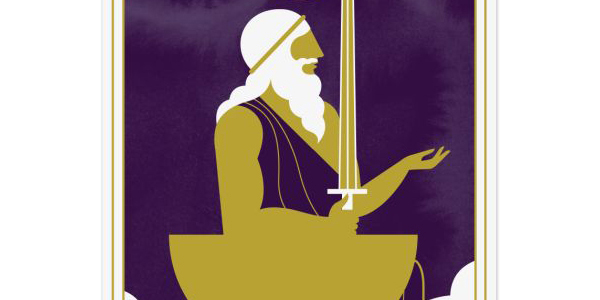
KING OF SWORDS = ENTJ (Te-Ne-Si-Fi)
Choleric/Choleric | Practical Achievement | The Warrior
An active and determined person. Experienced. Authoritative. Controlled. Commanding. A professional person. Someone proficient in his field. Highly analytical. Justice. Force. Superiority. A person having many ideas, thoughts and designs. Cruelty. Conflict. Selfishness. Sadism. Perversity.
Boss. Ruler. Police. Judge. Government officials. Military. Tyrant. Guide. Hero. Leader. Advisor. Executive. Diplomat. Philosopher. Dictator. Commanding. Power. Authoritative. Controlling. Judging. Tactical. Expeditious. Diplomatic. Quality control. Precision. Measuring. Cautious. Discriminating. Discerning. Highly rational. Abstract thought. Enlightenment. Scientific methodology. Intellectual agility. Cool. Clear. Decisive. Dispassionate. Impartiality. Honesty. Severe. Disciplinarian. Ordered. Efficient. Upholds standards, morals, and ethics. Responsible. Committed. Logical. Full of ideas, thoughts, and designs. Analytical. Wants clear rules, goals, requirements and/or deadlines. Articulate. Eloquent. Focused concentration. Objective. Scrupulously fair. Focus on cause and effect. Unreliable. Inhumane. Uncaring. Doesn't listen to others. Cynical. Abrupt. Rude. Oppressive. Sadistic. Cruel. Rules and regulations. Laws and limits. Use your communication skills to defend the truth. Use your experience, knowledge and discrimination to make wise decisions. Senator. Jurist. Command. Superiority. Ambitious.
Wise. Logical. Isolated. Analytical. Intellectual. Transformative.
A master of rational decision-making.
Intellectual power and authority. Courage and intellect to accomplish all that he desires. Judgement, command, and rulership. Stern leadership of a judge, lawyer, or military commander whose emotions must be kept in check under the pressure of battle. Remain detached and objective. Ascertain the truth and seek out only the facts. Use your intellect to prove your point and succeed. Education and experience. Day-to-day observations and thoughts. History, rules, laws and diplomacy.

KING OF CUPS = ESFJ (Fe-Se-Ni-Ti)
Sanguine/Melancholic | Social Correction | The Citizen
Responsibility and creativity. Learned person. Professional. Businessperson. Lawyer. Religious person. A considerate person. Kindly. Reliable. Liberal in manner. Artist. Interested in the arts and sciences. Generous. Dishonesty. Scandal. Without virtue.
Ruler. Family friend. Minister or priest. Guru. Professor. Occult teacher. Sage. Wise leader. Tyrant. Leader. Advisor or counselor. Consultant. Motivated to help others through direct action and cooperation. Serene. Calm. Subtle. Friendly. Sympathetic. Caring. Considerate. Compassionate. Affectionate. Avoids conflicts and problems. Willing to help. Can overlook own needs in trying to serve others. Protective. Co-dependent. Enforces rules that are "for an individual's or public's good". Soulful. Wise. Loyal to family and relationships. Placid. Guided by instincts and intuitions. Established emotions. Changes moods at will. Imaginative. Good-natured. Jovial. Has hidden depths and currents. Can move and stir the feelings of others. Hypersensitive to indifference and criticism. Sanctimonious. Self-delusional. Unstable. Telling others what they want to hear. Charities. Cultural events. Counselor or priest. Religious practices, artistic traditions, emotional bonds. Nurture, guide and support others. Soulfully express your sentiments and feelings. Socially responsible. Equality. Kind. Diplomatic. Affectionate. Aristocratic. Indolent. Hypocrisy pretending to help.
Fatherly. Advocate. Negotiator. Influential. Charismatic. Ambassador. Philantropic.
A master of relationships and connection.
Emotion, creativity. Master of his own feelings. Compassion and kindness. Strong bonds in a relationship based on temperance and understanding. Emotionally balanced. Emotional maturity.

KING OF WANDS = ENFJ (Fe-Ne-Si-Ti)
Choleric/Phlegmatic | Social Achievement | The Leader
An honest and conscientious person. Mature. Wise. Devoted. Friendly. Sympathetic. Educated. A gentleman. Generally married. Fatherly. Severity. Excessive and exaggerated ideas. Dogmatic.
Sage. Guide. Hero. Tyrant. Boss. Ruler. Businessman. Benevolent dictator. Leader. Advisor. Consultant. Entrepreneur. Visionary. Witty. Generous. Autocratic. Loyal. Stalwart. Competent. Powerful. Virile. Enterprising. Strong initiative. Versatile. Agile. Resourceful. Outspoken. Charming. Stimulating. Infectious enthusiasm. Friendly. Ardent. Honest. Fair. Optimistic. Values creativity and innovation. Needs variety. Open to challenges and opportunities. Anticipates. Plans. Future-oriented. Vision and foresight. Dynamic. Self-starter. Energetic. Willing to speculate or gamble. Self-made. Persuasive. Motivates others. Self-confident. Risk-taking. Sense of conviction. Handles complex situations. Long-term goals. High aspirations. Dominates through strength of will. Delegates. Competitive. Sees the big picture. Bold. Courageous. Respected. Admired. Strong principles. Ignores standards and accepted ways of doing things. Impulsive. Can be insincere. Arrogant. Egotistical. Needs an audience. Leadership and visionary directions. Mentoring. The establishment. Present yourself boldly and courageously. Expect to be obeyed. Serious. Stern. Good intentions. Man of talent. Genius. Education. Fierce. Impetuous.
Liberal. Creative. Integrity. Compassionate. Entrepreneurial.
A master of creativity and power.
Inclined to take an idea and change the world to match his vision. Natural-born leader. Visionary. Once he sets himself a goal, he sticks to it and ensures that he can make it happen with the support of those around him. People naturally gravitate towards this King. Able to get other people to do his work for him. Indecision or doubt will not be appropriate responses.
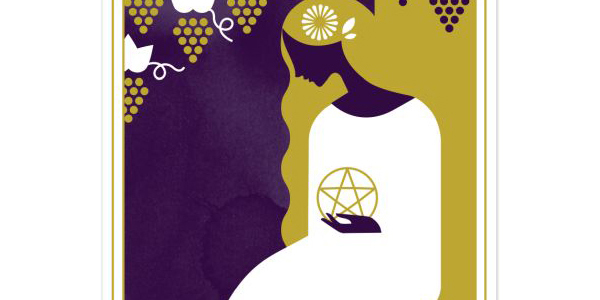
QUEEN OF PENTACLES = ISTJ (Ti-Si-Ne-Fe)
Melancholic/Melancholic | Conceptual Correction | The Skeptic
Prosperity and well-being. Wealth. Abundance. Luxury. Opulence. Extreme comfort. Generosity. Security. Liberty. Magnificence. Grace. Dignity. A rich person who is generous and charitable. A noble soul. False prosperity. Suspense. Suspicion. Untrusting person.
Consort. Courtesan. New-rich. A madam. Business woman. Manager. Service provider. Maintainer. Gardener. Animal lover. Homemaker. Economic and material security and well-being. Liberal. Factual. Hospitality. Practical. Capable. Perseveres. Saves. Sustains. Husbands. Cultivates. Guards. Protects. Enjoys comfort, prosperity and social prestige. Resourceful. Well organized. Interested in beautifying the body and healthy nutrition. Clothing. Diets. Fruitfulness. Hand-working. Sensible. Ornate. Opulence. Thorough. Methodical. Concentrates. Orderly. Reliable. Memory for details and facts. Organized and systematic. Cautious. Traditional. Environmentally conscious. Direct, no-nonsense. Tangible products and services. Completes projects and tasks. Appreciates precision. Standards. Explicit objectives. Nurtures and nurses. Tending and caring. Pragmatic conservation of resources. Materialistic. Gets caught in details and daily operations. Rigid. Tedious. Covetous. Harsh and stern. Appreciation of fine things. Sensual enjoyment. Safeguard your standard of living. Apply down-to-earth common sense. Security. Safety. Riches. Luxury. Fond of social life and friends.
Picky. Classy. Doting. Caring. Affluent. Groomed. Self-effacing.
A wise protector of resources.
Practical energy. Support the family financially. Keep the house clean. Read the business section. Bank account. Investment portfolio. Warm and secure environment. Stable income. Enough time and space to also nurture your family and loved ones. Balance between your home and work lives.

QUEEN OF SWORDS = INTJ (Ti-Ni-Se-Fe)
Melancholic/Choleric | Conceptual Achievement | The Investor
Sharp. Quick-witted. A keen person. Intensely perceptive. A subtle person. May signify a widow or woman of sadness. Mourning. Privation. Absence. Loneliness. Separation. One who has savored great happiness but who presently knows the anxiety of misfortune and reversal. Deceitfulness. Prudishness. Ill-tempered.
Widow. Divorced. Single mom. Forsaken. Intellectual. Thinker. Writer. Researcher. Disciplinarian. Wicked stepmother. Ice queen. Sad. Demanding and aloof, with a penetrating mind. Austere. Honesty. Integrity. Frank. Severe. Reserved. Detached. Clinical. Cool. Absorbed in problem-solving. Discerning. Discriminating. Precise. Skeptical. Ingenious. Alert. Keen. Self-reliant autonomy and independence. Thinks independently. Impartial. Better at organizing concepts and ideas than people. Logical. Abundance of ideas. Open-minded. Values competence. Easily detects flaws. Develops strategies. Directs. Anticipates problems, generates solutions. Delegates well. Process oriented (not product oriented). Keen observer. Cuts through masks, defenses, and pretensions. Just. Mastery of equanimity. Rigorous. Values honest communication. Self-disciplined. Fault-finding. Too complex and abstract ideas. Separates. Writing. Analyze before acting and anticipate problems. Maintain your personal freedom and be independent with your opinions.
Intuitive. Focused. Educated. Effective. Structured. Demanding. Independent.
A wise protector of justice.
Independent in thought and in judgement. Unbiased intelligence. Empathy or compassion towards others may distract you from the task at hand. Think with your head and not with your heart. Do not let emotion get in the way. Use fact and logic to make your decisions. Quick thinker. Highly perceptive. Remain as impartial as possible. Present your thoughts and opinions concisely and honestly.

QUEEN OF CUPS = ISFJ (Fi-Si-Ne-Te)
Phlegmatic/Melancholic | Internal Correction | The Angel
A warmhearted and fair person. Poetic. Beloved. Adored. Good friend and mother. Devoted wife. Practical. Honest. Possesses loving intelligence. Gift of vision. Inconsistency of honor. Possible immorality. Vice.
Consort. Psychic. Dreamer. Artist. Poet. Romantic. Counselor. Muse. Enabler. Receptive. Emotional sensitivity. Inner growth and spirituality. Shy. Fosters art, beauty and emotions. Psychic. Harmonizes. Taste and aesthetic sense. Depth of experience. Warm. Gentle. Caring. Charming. Alluring. Fascinating. Mysterious. Otherworldly. Nurturing. Good listener. Medial. Reflects. Tranquil. Expresses feelings and emotions. Ethereal. Affectionate. Kind. Warmhearted. Musing. Delicate. Goal is personal satisfaction rather than material outcome. Empathic. Inspiring. Nostalgic. Creating an aesthetic, harmonious environment. Mothering, nurturing individuals. Caring, supportive and affirming. Kind. Decorous. Virtuous. Modest. Decent. Honest. Devoted. Much affected by other influences. Romanticism. Chaste. Woman of beauty and charm.
Calm. Loving. Artistic. Elusive. Angelic. Guardian. Self-sacrificing.
A wise protector of kindness.
Nurturing, caring, compassionate and sensitive. Good wife and loving mother. Admired for her fairness and honesty. Often a healer. She seems to have exactly the right solution to problems relating to relationships, emotions and feelings. Artistically gifted. Romantic. Often involved in creative or literary pursuits. Enjoys art, good music, literature and things of beauty.

QUEEN OF WANDS = INFJ (Fi-Ni-Se-Te)
Melancholic/Phlegmatic | Internal Achievement | The Narrator
A sympathetic and understanding person. Friendly. Loving. Honorable. Chaste. Practical. Full of feminine charm and grace. Capable of meaningful expression and love. Gracious hostess. Sincere interest in others. Jealousy. Deceit. Fickleness. Resistance.
Consort. Sovereign. Business woman. Leader. Chairman. Patron. Protector. Expert. Capable. Competent. Self-governing. Autonomous. Independent. Faith in self. Original. Visionary. High standards. Impersonal. Future-oriented. Perfectionist (especially required of self). Foresight. Resourceful. Generous. Authoritative. Spirited creativity. Ardent. Mentally and physically fruitful. Enthusiastic. Dynamic. Enterprising. Vivacious. Dignity. Compassionate. Confidence. Passionate. Powers of attraction. Intuitive. Clairvoyant. Close to nature. Personal development. Self-promotion. Assertive. Fiercely protective. Dramatic. Optimistic. Audacious. Bold. Skeptical. Self-centered. Proud. Revengeful. Treacherous. Catty. Malicious. Self-determined. Pursue the ideas about which you feel most passionate. Feminine charm and grace. Virtuous. Manners. Avarice. Great attractive power. Artistic. Love of money. Business success.
Kind. Poised. Patient. Intuitive. Nurturing. Well-liked. Humanitarian.
A wise protector of passions and goals.
Dominant feminine energy. Focused on her desires, intending to get what she wants. Creative energies. Good sense of your life direction. Confident and full of ideas. Great authenticity.

KNIGHT OF PENTACLES = ESTP (Se-Te-Fi-Ni)
Choleric/Sanguine | Practical Application | The Joker
A mature and responsible person. Reliable. Methodical. Patient. Persistent. Able to conclude a task. Laborious. Organized. Capable. A dependable person. Carelessness. Inertia. Narrow-mindedness.
Business person. Gardener. Craftsperson. Designer. Observer. Sensualist. Exercise/health advocate. Nature lover. Couch potato. Handyman. Tinkerer. Strong, silent type. Possessive. Ambitious. Purposeful. Practical. Useful. Responsible. Reliable. Focuses on the "how to" rather than the "why". Persistent. Imperturbable. Skilled. Steadfast. Stable. Solid. Laborious. Hard working. Dependable. Patient. Sensory. Generally conservative. Common sense. Diligent. Detail-oriented. Pragmatic. Physical know-how. Deliberate and thorough. Health-body awareness. Concrete reality. Utilitarian. Studies facts, data, operations. Material-status oriented. Reserved. Intolerant. Practical travel. Tangible work, especially with the hands or mechanics. Fieldwork. Use common sense. Realistic. An active, useful or brave man. Self-interest. Lucrative. Gain. Profit. Success due to force, perseverance and/or will. Wanting to possess quickly and much.
Honest. Practical. Pragmatic. Functional. Industrious. Materialistic. Hard-working.
Striving for financial or career success.
Sees that everything he undertakes will meet with nothing but success. In "implementation mode". Committed to getting the job done, even if it requires hard work along the way. Fiercely loyal and prepared to do whatever it takes to ensure the job gets done.

KNIGHT OF CUPS = ESFP (Se-Fe-Ti-Ni)
Sanguine/Sanguine | Social Application | The Prodigal
An invitation of opportunity may soon arise. Arrival. Approach. Advancement. Attraction. Inducement. Appeal. Request. Challenge. Proposal. Proposition. Artifice. Trickery. Fraud.
Lover. Helper. Consoler. Rival. Seducer. Con man. Romantic. Mediator. Inviter. Artist. Music lover. Dreamer. Knight-in-shining-armor. Lady's man. Deep feelings. Seeks harmony. Sensitive. Idealistic. Focus on dreams and visions. Compassionate. Sympathetic. Reflective. Creative and imaginative. Chivalrous. Goals of the heart or imagination. Gallant. Courtly. Worships and adores. Congenial. Charming. Loving. Warm. Affectionate. In love with love. Pleasure-loving. Attentive. Solicitous. Addictive or co-dependent. Moody. Use of sex, drugs or alcohol to heighten pleasure or to escape. Jealous. Cavalier. Emotional matters. Offers. Amusements. Holidays. Evening of pleasure. Express your feelings. Seductive. Charming lover. Attraction. Reception. Welcome. Affluence. Pleasant invitation. Crafty. Artistic.
Lover. Volatile. Effective. Sensitive. Perceptive. Charming. Well-mannered.
Striving for the perfect romance.
Charming and attractive. Romantic. Ruled by his heart rather than his head. Warmth, friendliness, love and the need to share these qualities with everyone. Emotional benefit. Interesting invitation. Physical sources of information.

KNIGHT OF SWORDS = ENTP (Ne-Te-Fi-Si)
Sanguine/Choleric | Practical Discovery | The Devil
Bravery. Skill. Capacity. The strength and dash of a young man. Heroic action. Opposition and war. Impetuous rush into the unknown without fear. Imprudence. Impulsive mistakes. Conceited. Disunion.
Fanatic. Advocate. Warrior. Champion. Top gun. Rebel. Delinquent. Bad boy/girl. Rebel without a cause. Opponent. Problem solver and fixer. Overcoming obstacles. Strategist. Angry young man/woman. Ability. Courage. Hot temper. Anger. Imprudence. Cutting through. Domineering. Forceful. Skillful. Subtle. Promptitude. Confrontational and competitive. Ingenious. Focuses on making a point. Dashing. Single directed focus. Outwardly directed. Rapier-wit. Long-range planner. Analytical. Clean-hearted. Desire to perfect and improve things. Hasty. Frank and direct. Communicates about ideas. Takes charge. Charges ahead. Takes things literally. Thinks, analyzes, discriminates and measures critically. Efficient. Clever. Sharp. Impatience with and insensitivity toward others. Arrogant. Attacks. Impersonal. Sarcastic. Critical. Arguments. Cutting through impediments. Champion those in need. Champion a cause. Enemy. Battle. Full of ideas, thoughts and designs. Rebels.
Willful. Dynamic. Arrogant. Cunning. Strategic. Conquering. Headstrong.
Striving for quick actions and change.
Moves forward with his strong intent to succeed and win. Great ambition, determination and strength. Can be blind to potential challenges and consequences of his actions, and may charge forth into a dangerous territory without any foresight or preparation. May also neglect to understand the needs of others. Manifest your goals. Ready to overcome any problem.

KNIGHT OF WANDS = ENFP (Ne-Fe-Ti-Si)
Sanguine/Phlegmatic | Social Discovery | The Believer
Departure. A journey. Advancement into the unknown. Alteration. Flight. Absence. Change of residence. Discord. Interruption. Discontinuance.
Adventurer. Sportsman. Entrepreneur. Revolutionary. Inventor. Questor. Entertainer. Inspirer. Facilitator. Vagabond. On a mission. A romantic interest. Dashing. Spontaneous. Impetuous. Impulsive. Dynamic. Innovative. Dramatic. Improvisational. Enthusiastic. Joyful. Open. Likes to start things but may leave them unfinished. Charming. Ardent. Exciting. Animated. Vital. Competitive. Clever. Witty. Boundless energy. Amusing. Entertaining. Eager. Forward-thinking. Future-oriented. Motivational. Spirited. Impromptu. Extemporaneous. Not completing projects. Love 'em and leave 'em. Lacks self-discipline. Bored with repetitive tasks, details. Willful. Clowning. Reckless. Rebels against the stodgy and old. Inspirational matters. Brainstorming. Sports events. Theatricals. Idealistic "causes". Share the enthusiasm you feel for life. Speak out. Explore and present your innovative ideas. Friendly. Trip. Journey. Transpose.
Charming. Rebellious. Surprising. Audacious. Exuberant. High-spirited. Unpredictable.
Striving for creative adventures.
Impatient and impulsive. Bursting with energy and enthusiasm. Tendency to rush into things without much consideration for the consequences of his actions. Focused on being the best and of fame and glory. Forgets to plan ahead and to keep sight of reality. Change of residence, job or other living arrangement. React quickly and go with the flow.

PAGE OF PENTACLES = ISTP (Si-Ti-Fe-Ne)
Melancholic/Sanguine | Conceptual Application | The Rebel
Deep concentration and application. Study. Scholarship. Reflection. Respect for knowledge. Desire for learning and new ideas. A do-gooder. Bearer of news. Unrealistic. Dissipation of ideas. Rebelliousness.
Inner child. Student/scholar. Apprentice. Collector. Employee. Envoy. News bringer. Disciple. Catalyst of change. Watchful. Realistic. Pragmatic. Secure. Fascinated. Curious about nature. Steadfast. Hard-working. Diligent. Focused. Deliberate. Must see and touch to believe. Manages things. Examines and considers carefully. Cautious. Gathers details, data, materials. Open to transformation, new opportunities, and new skills. Concentration. Sensuous. Respects the earth. Difficulty learning. Littering. Physical matters. Material matters. Training. Following instructions. The condition of goods and property. Opportunity to make money. Practical purpose. Listen to what your body is trying to tell you. Be conscientious and responsible. Follow diagrams and instructions. Work. Application. Occupation. Economy. Household economy. Order.
Free. Fresh. Sincere. Natural. Curious. Thoughtful. Resourceful.
Learning how to build resources and take care of what they have.
Put in place clear plans and actions. Apply careful planning. Remain focused on the practical and tangible elements, keeping your feet firmly planted on the ground and not getting carried away with more ideas and concepts. Being focused on what is realistic and achievable. Your common sense and pragmatic approach will lead you to success and to finding a solution that actually works.
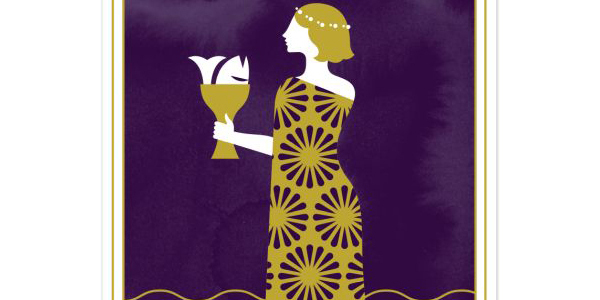
PAGE OF CUPS = ISFP (Si-Fi-Te-Ne)
Phlegmatic/Sanguine | Internal Application | The Peacemaker
A studious and intent person. Reflective. Meditative. Loyal. Willing to offer services and efforts toward a specific goal. A helpful person. A trustworthy worker. Deviation. Distraction. Flatterer.
Inner child. Student. Dreamer. Artist. Good listener. Confidant. Friend. Young Lover. Envoy. News Bringer. Catalyst of change. Dependent. Romantic. Dreamy. Sympathetic. Sensitive. Cooperative. Charming. Aesthetic. Gentle. Gracious. Tender. Voluptuous. Intuitive. Imaginative. Psychologically insightful. Psychic. Wants to serve. Loyal. Promotes harmony. Discrete. Meditative and contemplative. Affectionate. Joyful. Adoring. Open to love. Takes emotional risks. Naive. Avoids conflict. Messages of love. Services rendered. Be open to love. Enjoy an artistic project even if you feel you are unskilled. Unselfish. Consideration. Blends male and female traits. Integrity. Application. Willingly offers services. Enjoys pranks. Tormented by love.
Calm. Gentle. Caring. Creative. Artistic. Youthful. Sensitive.
Learning how to connect with others and have healthy relationships.
Creative project or venture. Creative energy. A positive message or news from loved ones. Emotional manner.

PAGE OF SWORDS = INTP (Ni-Ti-Fe-Se)
Phlegmatic/Choleric | Conceptual Discovery | The Alien
A person adept at perceiving and uncovering the unknown or that which is less than obvious. The quality of insight. Vigilance. Agility. Spying. A discreet person. An active youth. A lithe figure, alert and awake to unknown dangers. Imposter. Powerless. Lack of preparation.
Inner child (wounded child). Observer. Puzzler. Logical, rational self. Thinker. Truth-speaker. Journal writer. Victim. Envoy, bringer of news. Catalyst of change. Student. Quick witted. Clever. Vigilant. Dextrous. Alert. Discriminating. Assertive. Penetrating. Active. Audacious. Clear-sighted. Daring. Cunning. Inquisitive. Insightful. Detached. Subtle. Improvisational. Agile. Likes mental challenges. Firm. Examines self and others. Aloof. Accrues data and information. Objective. Commonsense thinking. Practical knowledge. Suspicious. Paranoid. Secretive. Caustic. Mental matters. News, especially of troubles or danger. Conspiracies. Try out new ideas and technologies. Identify and use available tools, resources and mechanical skills. Challenge your mind. Surveillance.
Genius. Clarity. Pensive. Insightful. Technology. Discernment. Improvement.
Learning how to think clearly and communicate with authenticity.
New project or idea. Share that with others. Ventures and journeys. "Go for it". There are always going to be challenges with whatever option you choose and not everyone is going to be happy with your choices but when it comes down to it, you need to follow your passions and go where your true energy lies. Move forward. Get the wheels in motion.

PAGE OF WANDS = INFP (Ni-Fi-Te-Se)
Phlegmatic/Phlegmatic | Internal Discovery | The Spirit
A faithful and loyal person. An envoy. Emissary. Entrusted friend. A stranger with good intentions. A consistent person. A bearer of important news. Indecision. Reluctance. Instability.
Inner child. Student or new learner. Envoy. Agent. Bringer of news. Catalyst of change. Subordinate. Devotee. Bard/entertainer. Stranger. New acquaintance. Ardent. Fervent. Enthusiastic. Playful. Brilliant. Curious. Intrigued by the new. Naive. Trusting. Candid. Admires and idealizes others. Frank. Gullible. Unreliable. Dilettante. The unexpected. Arrival of messages and news, especially unexpected, marvelous, and good. Educational situations. Pay attention to messages. Listen to what a child has to say. Wonderful. Sincere. Extraordinary. Unusual. Unprecedented. Surprising. Strange tidings. Unknown. Digression. Story. Consistent. Faithful. Brilliance. Beauty. Easily influenced by others of greater art. Good stranger.
Free. Artistic. Soulful. Creative. Talented. Visionary. Intelligent.
Learning how to trust and use their own power.
Free spirit. Change and new beginnings. Catalyst that inspires changes that might be impossible in any other situation. Creative restlessness. On the verge of some sort of discovery or new phase of life. Sudden creative spark. Listen to your unconscious mind and follow your creative urges, even if you are worried about being the lonely voice crying out in the wilderness.
I keep getting questions and messages, but I can't answer them. I just can't.
It's no longer the time it takes, it's that people have a very distorted view of me, and often also of the whole typology thing, and they expect something that just isn't there.
Most questions keep diverting the subject to things that can be derived from what's already in the blog, things that don't matter, things that I can't or wouldn't know how to answer, or things that are incorrect. Some examples could be summarized as: validate my [mis]type, say nice things about my [mis]type, explain again why everybody else is wrong because I don't want to accept that all the knowledge that I have about this is wrong, explain how this particular function works in this particular type, search and copy what Jung said about this, read this long personal thought-process that should be a post but I send it to you instead, explain this typing, do this other typing, etc.
I have already said what's really important. If you keep asking you either haven't read it or you don't/can't understand it. With only a few exceptions, if I keep answering the kind of questions that I get I would only be repeating myself. And I'm not going to do that anymore.
I really see how people are trying to understand things better, and I appreciate the interest, obviously, that's great. I also feel a kind of obligation to address what many have to say, but this just isn't the way to do it. It doesn't work. By the time I get to answer you it's very likely that you have changed what you think is your type, or you're no longer interested, you're into something else, you have deleted your blog, etc. And even if you're still on the same page, further explanations won't work. If you don't get it with what you can find already in the posts, chances are you won't ever get it, and we will be both wasting our time.
So, starting today, the asks are closed. I might open them again in the future, I don't know.
Thanks for all the nice words :)

Welcome to Typology 101. I see some new faces up there.
Ok. On top of many other widespread misconceptions (looking at you, eiei/ieie), lots of people seem to think that some functions are better than others, so the types with a "bad" one as dominant are "worse" than the rest. Many supposed "experts" seem to have their favorites and their hierarchies of "functions" and "types": some are just perfect, some need to basically stop being what they are because they are "useless", etc. Very constructive, yes. Are you all seated yet? *chalkboard writing*
THERE IS NO SUCH THING AS A BAD FUNCTION.
THERE IS NO SUCH THING AS A BAD TYPE.
Forget about that or you will never understand what typology is.
Whatever the problem, it's never in the dominant function of a type precisely because their dominant is what they do best. That's the whole point of the various types, actually: the specialization of people's minds in different ways, so as a species we humans have the best of everything. Can you understand that? It's not that difficult, right? Now, can you live it?
This is what Jung said: "We have absolutely no criterion by which we can say this or that function in itself is the best. We can only say that the differentiated function in the individual is the best for adapting".
You have your own perspective and preferences, and sometimes you don't like what other people do because, for example, they have your inferior function as their dominant (or just an unconscious one as [more] conscious), or because they are too unreal (not proper for you), so [some of] their words and/or actions might seem like an unacceptable intrusion, some kind of personal violation, or just wrong. I know. But that's a different thing, related to type relations and particular cases or situations. It's not actually an argument against the entirety of the fact.
There is such a thing as "good X", where X can be replaced by any function (Te, Fe, Se, Ne, Ti, Fi, Si or Ni), and that is what you find in X-doms. Those are the types that see X with the greatest clarity, nuance and demystification. So for example the best Te is in ETJs, and the best Fi in IFJs. One of the problems here is, of course, that people don't know what to look for. They don't seem to recognize the good things. This is especially true regarding the introverted functions. They don't know what good Fi is, what good Si is, etc. Not just because the definitions are distorted, but because they only think about a very limited set of supposedly "valid" traits or practices, essentially those that "contribute to society". So the list ends up being mostly about how to obtain and manage money, power and influence, including ways to design, mold, present and sell [yourself], ways to manipulate people, etc.
Jung: "To the collective psyche every individual development is obnoxious which does not directly serve the ends of collectivity. Hence the differentiation of the one function mentioned above, although certainly a development of an individual value, is still so largely conditioned by the view-point of collectivity, that the individual himself, as we have already seen, actually suffers from this development".
Another problem is that many people don't seem to realize that lots of undesirable behaviors and traits come from the unconscious functions, either through their suppression or their interference (but please note that this is not an automatic thing: neither the functions nor the types are a catalog of stigmas or defects). That's what you are actually criticizing in many cases (behind all the potential misconceptions, that is), not the dominant. If you describe some Te1s (ETJs) negatively as ruthless, for example, that's because of their inferior Fi, not their dominant Te. Those Se1s (ESPs) who lack control are like that because of their inferior Ni, not their dominant Se. And some Fi1s (IFJs) are scheming because of their inferior Te, not their dominant Fi. Other times negative behavior comes from egocentrism, or from the fact that the person lacks self-awareness and is confused by his/her unconscious and/or the false self-image that [s]he's trying to portray. But again: that's not the dominant's fault.
So remember this the next time you want to say how much you hate a function or a type. Because, in reality, you don't.
Puzzle types are those that only share TJ, FJ, SP or NP (for example ESTP-ISFP). Mistypes between them are extremely common, especially from the extravert to the introvert. In this post I'm going to write about some of those, and hopefully it can help people realize a few things. They are, in order: 1) "INTP"-ENFP, 2) "INFJ"-ESFJ, 3) "INTJ"-ESTJ, 4) "INFP"-ENTP and 5) "ISFP"-ESTP.
Remember that there are lots of posts in this blog that can help you with mistypes in general: MBTI Lists, MBTI Tables, the Differences and Typing sections, the MBTI Typings page, etc.
All this isn't only for other people, but also for you. Don't be afraid to reexamine your own type from time to time. You might be thinking you're something that you are not. Your true type might be waiting for you, and whatever it is, finding it is going to make you more intelligent, never less, because it's self-knowledge, and that always opens the mind of the person in amazing ways :)
Note that there are many factors that contribute to mistypes in general. I've talked about some of them before. Some of the main ones are a) lacking sufficient experience and knowledge regarding psychological dimensions and scales, b) taking types as characters to play, and c) focusing on very limited corners of the subject's mind/behavior (which many times are precisely unconscious ones). You have to imagine all of that included in the sections below, even if I don't mention it.
This particular tendency can be considered a portion of the huge amount of mistypes caused by the false eiei/ieie order. Sometimes the people involved have a sense of what the real cognitive functions are, but it's only a blurry idea because they don't recognize how those functions actually manifest in different positions, and mistake their fascination with the unconscious for their conscious identity. In all the cases below people can see what in reality is their tertiary function (X3), but mistake it for their dominant, and they look at their true dominant as if it was their auxiliary.
Another issue here is that it's quite common to admire the work of certain people with our Puzzle type, to the point of being absolute fans, completely absorbed by it (like someone in front of a puzzle), and believing we share with them much more than we actually do. There are also lots of Puzzle couples out there, so you can say there's definitely a compelling connection between these types.
1. "INTPs" WHO ARE ACTUALLY ENFPs (Ne-Fe-Ti-Si)
Among Puzzle mistypes, "INTP"-ENFP is probably at the top, and I'd say it qualifies as one of the most prevalent mistype tendencies all over the world. It's understandable, because typology misconceptions are too widespread, and it's been decades of distortions. Many people share the same false images of the types, and under their false stereotypes, the four INs in general are the most unknown of the 16. The extraverts mentioned in this post are 4 of their most prevalent "replacements".
The main factors here are 1) ENFPs' unrelatedness to physical objects, which comes from gSe4 and makes them believe they are introverts, and 2) the attraction of their unconscious functions, especially Ti3, which makes them believe introverted thinking is their dominant.
Apathy towards reality gets mistaken for "introversion" by many ENFPs because Se (= the external world) is actually a ghost function for them: gSe4, precisely the one that can disrupt more their own life-essence (Ne1). If the elements from their unconscious (Si4) are ignored, mistaken for "Si3" or not taken into account, it's very likely that ENFPs look at their intuition and believe it's also introversion. Something that I think it's worth remembering here is that now with the internet, extraverts in general but especially those with inferior sensation (=ENPs) don't really need to leave their rooms to be social, meet people, play games, find new discoveries, new stories, new information, discuss ideas, understand, promote and join activities with others, etc.
There's also the fact that, for many people when they are young (of any type), the unconscious is where they spend a lot of time, and for many of them it feels like their "natural place". This is because the mind of the person already "knows", somehow, that [s]he is going to be able to manage when it comes to the conscious part, there isn't going to be any problem there, so interest and attention move towards possible "weak points": X3 and/or X4, trying to understand and improve them. In ENFP's case there's a sort of fascination with getting information about lots of topics (gTe3→Ti3), and perhaps combining them, building a sort of "internal library" of knowledge, "overthinking", etc. When extraversion is obvious, this is also a cause for many ENFPs mistyping as "ENTPs", because the false eiei/ieie order makes people believe those have TiFe.
It can be a bit difficult to acknowledge this situation. Intuition and Feeling are not "solid" or "heavy" functions like S and T, they are hard to identify as proper in their minds by many ENFPs because they are the "light" pair (they are not concepts or forms). In some cases my impression is that Ti3 makes them feel like their identity is rather variable and/or elusive, on top of always following Si4 which seems very changeable, too. X3 is always in a state of re-definition, re-distillation, etc, so even if they love working with intellectual subjects, ENFP people don't find it easy to be convinced of concepts in any "established" or "fixed" way, and this applies to their own thinking, which might include their own identity, their own type/functions, etc. There's always something that can be re-combined and re-interpreted differently, perhaps indefinitely. Some embrace this and treasure the idea of being a "mystery", someone that "can't be figured out", etc. But if you understand the problem, you realize that's precisely a sign of ENFP, not INTP.
INTP (Ni-Ti-Fe-Se) is not the "awkward", "random", "lazy", absent-minded and a bit shy "weird genius" type that basically everybody thinks. That's the ENFP. INTP is a ·/choleric type with no sanguine component. It's not strange in a funny way at all, it's not entertaining, and it's not a "brainstorming" type with lots of ideas, jumping from one to the next, telling everybody about their discoveries, etc. If ENFP is Prince, INTP is Andrew Eldritch. If ENFP is Stephen Hawking, INTP is The Unabomber.
2. "INFJs" WHO ARE ACTUALLY ESFJs (Fe-Se-Ni-Ti)
Being an FJ type (that is: a feeling dominant) who often feels "special" about its own identity (Ti4), likes helping others in some positive way, and coincidentally has the supposed functions of "the rarest MBTI type", makes ESFJ the perfect candidate for mistyping as "INFJ".
There's a very obvious and generalized ignorance about what certain types are for the most part, and INFJ is definitely one of them (this happens basically with all the INs, like I said before). The stereotype of "INFJ" as simply "helpful person interested in psychology" doesn't make it easier.
INFJs (Fi-Ni-Se-Te) are not sanguine. They don't have a funny, interacting, optimistic or trusting main stance. Quite the opposite: INFJ is actually a melancholic type. They are not about "positive" vibes, continuous open expressivity or joyful shared action. They can be oddly funny, and make occasional jokes, but if you have a basic understanding of psychological levels, you'll see that this is not their true core. You see those things don't come from a light, carefree or engaging place. With ESFJs, it's the other way around. They are externally melancholic and internally sanguine, so you could say they cry as a sort of means to go back to being happy.
Many people have Fe and Fi totally backwards. This is actually a big problem in typology, and it's not going to be solved at all unless people stop using false orders and definitions. Fe1 is the one that declares their likes and dislikes openly, not Fi1. Fe1 can express many nuances and details of feeling related to the present situation, they can smile and then get angry right after that, but go back to smiling in two seconds. INFJs are totally different people. In fact, they are very often perceived as cold and distant. ESFJs are people like Amy Lee, Anne Hathaway or Kate Winslet. INFJs are people like Aretha Franklin, Lisa Bonet or Sigmund Freud.
3. "INTJs" WHO ARE ACTUALLY ESTJs (Te-Se-Ni-Fi)
This one is somehow more understandable, in comparison, because both types have the same components of temperament (melancholic + choleric), only reversed. Many people mistype ESTJs as "INTJs" because there's an extremely simplistic INTJ stereotype that basically amounts to "intelligent + organized", or "intelligent person related to technology". You could say "INTP"-ENFP was "intelligent + chaotic" (or "intelligent person related to whatever"), so if you put the two together you'll see what many are doing out there is taking ESTJ-ENFP and calling them "INTJ-INTP".
People seem to recognize FiTe and NiSe in many ESTJs. They just don't know how those are arranged. They probably think "Ni" is being driven (absolute misconception), and call "auxiliary Te" to dominant Te (they also mistype some ENTJs as "ISTJs").
Anyway, take a look at this table. INTJs (Ti-Ni-Se-Fe) tend to be more abstract and conceptual than overly technical or practical, more about intangible ideas and plans than standardized factory products. They are not hard-charging or visibly expansive people, but much more cautious (even sometimes reclusive), and specialized or focused. They can be inventors too, and in fact very innovative, but you'd find them mostly at the beginning, with their particular and specific concept, more than later in the [larger] assembly, engineering operations and actual use, which is more the ESTJ zone (or other STs'). ESTJ is James Cameron, Elon Musk, Margaret Thatcher. INTJ is Carl Jung, Gregor Mendel, Christina Of Sweden.
4. "INFPs" WHO ARE ACTUALLY ENTPs (Ne-Te-Fi-Si)
Well, everybody mistypes [others] as "INFPs": ISFPs, ISFJs, INFJs, ENFPs, ESFJs, ESTPs, ISTPs, ISTJs, etc, so in a sense this isn't really anything special. Just more of the same. People have no idea what real INFPs are (I talked about this in the second section of this post), and the ambiguous stereotype is very often just "weird artist", so they end up throwing there all kinds of types because everybody is "weird" and everybody is an "artist". Some ENTPs manage to fit that description (like John Lennon), and together with the misconceptions about "Fi-dom" they end up somehow being called "INFPs".
This mistype has many similarities with the "INTP"-ENFP one, but it's actually even more mistaken because ENTP and INFP don't even share a component of temperament: INFP (Ni-Fi-Te-Se) is pure phlegmatic, while ENTP is sanguine/choleric. Maybe that's why this particular Puzzle mistype doesn't seem as common as the others, I don't know.
5. "ISFPs" WHO ARE ACTUALLY ESTPs (Se-Te-Fi-Ni)
If the false ISFP stereotype is basically "emotional person who likes to have fun and could be considered artistic" you're definitely going to end up with many mistypes there, not only ESTPs but also for example ESFJs, ESFPs and ENTPs (like David Bowie or Trent Reznor) (literally ISFP's Mirrors).
Many ESTPs mistype as "ISFPs" because they are the SP type with the supposed functions of ISFP, and one of the false images that people keep repeating about Fi corresponds in reality to Fi3. People do this with fictional characters, too, of course. In fact, the post I wrote about Harry Potter covers many points related to this mistype. Take a look and try to see how all those things can be analyzed in real people. (When the mistype occurs with someone interested in typology you can many times recognize it because the person makes use of misleading visual methods like "vultology", an ESTP favorite).
These two types might be both externally sanguine, but on the inside they are opposites: ESTP is choleric and ISFP is phlegmatic. ISFP (Si-Fi-Te-Ne) is not a "cool", direct, blunt, often foul-mouthed and ultimately confrontational person like many ESTPs are. They might make jokes (like any other type), but they do it mainly as a neutral and lighthearted thing, because it's fun, not to instigate or provoke a reaction, which is what ESTPs often want. In fact, ISFPs' most peculiar trait is gentleness, and they tend to simply go along with whatever. If we stick to the "artistic" adjective then some ESTPs could be for example Rihanna, Eminem and Caravaggio, while ISFPs are people like Elliott Smith, Pavarotti or Van Gogh.

A rather simple addition to the series that started with post #16 and continued with post #78 and post #132. The images here come from the classic Rider-Waite Tarot, and were made by Pamela Colman Smith. Below each type's temperament I've included another way of summarizing the dominant>auxiliary relationship, which was explained in point 2 of post #31. The idea is always the same: X2 depends on X1, so the more/better the dominant → the more/better the auxiliary (it also works with "the less/worse", etc).
Real Inside Deed: ESTJ ☼ / INFJ ❄
Role Inside Real: ESFP ☼ / INTP ❄
Myth Inside Role: ENFJ ☼ / ISTJ ❄
Deed Inside Myth: ENTP ☼ / ISFP ❄
Myth Inside Deed: ENTJ ☼ / ISFJ ❄
Role Inside Myth: ENFP ☼ / ISTP ❄
Real Inside Role: ESFJ ☼ / INTJ ❄
Deed Inside Real: ESTP ☼ / INFP ❄
This is just an attempt at reducing each of the 4 functional dimensions to a single word. I've been trying to do this for a while, but it always feels inadequate in some sense. Right now this is the best I can do. The perspective is mostly centered on the basic global filters through which people seem to approach existence and their understanding of it. It's not about jobs or occupations, and many people might never even think in these terms about themselves or what they do (perhaps they even use opposite ones, or their activities reach us after being translated into different ones), but I think it tells you something about the psychological landscape as a whole.
SiNe is Myth because it sees the world as empty and then fills it with the mind.
NiSe is Real because it sees the mind as empty and then fills it with the world.
TiFe is Role because it concerns identity and its expression.
FiTe is Deed because it concerns action and its evaluation.
The background idea behind the word "inside" is always "never goes against". It can be replaced by things like "to protect", "to exemplify", "to demonstrate", "to represent", or "limited by", "as a consequence of", "as a means to", etc. It can also be "to serve" or "to magnify" (this one probably more for extraverts). Other expressions and synonyms might work, too. Apart from that, Myth can also be Dream, Real is Reality, Role refers to a Character, and Deed to a Person.
It's obvious that there are lots of things that don't get adequately reflected with these terms. They seem to lean slightly to one side, because the functions always resist simple definitions. This one is just a particular idea to use only as a very general reference, and only if you know the real functions of the types and their correct definitions, of course.
The list is made by looking at each type's proper functions as two concentric spheres, the inner one (X2+X3) working within the outer one (X1+X4). The resulting pairs of types are Mirrors (I put them following the order of the local circles). Each Mirror gets something completely different out of the same global combination: the extravert is extensive (☼ = expansion), the introvert is intensive (❄ = contraction).
I'll try to give a few examples. Both ESTJ and INFJ see Reality as something that needs to serve [their] Deeds: ESTJ seeks to extend it, with more [self-]presence, more designs, architecture, etc, and INFJ gathers and keeps it under control, including very often less self-exposure. Both ENFP and ISTP are or feel like performers, playing a Role inside a world that's made of Myth: ENFP tends to expand or diversify that role, while ISTP contracts or condenses it. Both ENTJ and ISFJ use Myth to illustrate [their] Deeds: ENTJ spreads it with things like propaganda, and ISFJ restricts it to rituals or [fairy]tales, for example. Both ESFP and INTP see themselves as playing a Role inside Reality: ESFP often seeks a bigger or wider one, while INTP tends to minimize or thicken it.
It's also interesting to look at the groups of types that share all their proper functions and see how the words apply to them as a set:
North Quadrant (INTJ, INTP, ESFJ, ESFP) → Real+Role
East Quadrant (ESTJ, ESTP, INFJ, INFP) → Real+Deed
South Quadrant (ENTJ, ENTP, ISFJ, ISFP) → Myth+Deed
West Quadrant (ISTJ, ISTP, ENFJ, ENFP) → Myth+Role
More attempts at describing the functions in post #17 (point 2), post #39, post #87 and post #118.
Types #12X ← ✸ → Types #14X